

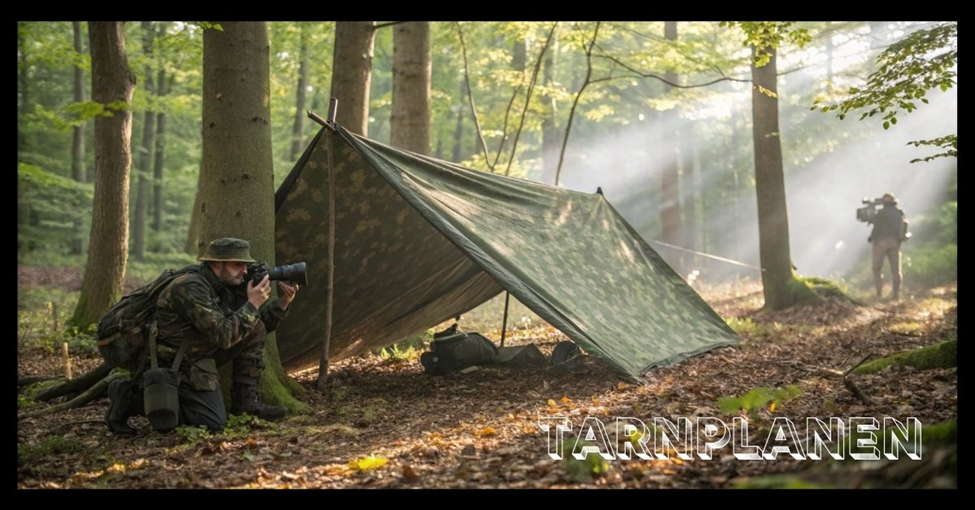
In today’s world, protective covers have become essential for safeguarding equipment, vehicles, and outdoor assets. Tarnplanen, the German term for tarpaulins—often camouflage-style—provides a practical and versatile solution. From outdoor enthusiasts to military operations, understanding the applications and benefits of a high-quality Tarnplanen is crucial. This guide explores everything you need to know about Tarnplanen, including materials, uses, and maintenance.
Will You Check This Article: Pertadad: Complete Guide to Understanding This Unique Concept
What is a Tarnplanen?
A Tarnplanen is a durable, protective cover typically made from strong, waterproof materials such as polyethylene or canvas. The term often refers to camouflage tarps used to conceal objects, but it can also apply to standard tarpaulins for protection against weather elements. Tarnplanen is valued for its strength, versatility, and ability to shield objects from moisture, dust, and sunlight.
The History of Tarpaulins and Camouflage Covers
Tarpaulins have been in use for centuries, evolving from simple cloth covers to modern waterproof and fire-resistant materials. Military camouflage tarps, or Tarnplanen, became prominent during the 20th century, especially during World War I and II, for concealing equipment and troops. Over time, their use expanded to civil applications, including camping, shipping, and industrial storage.
The Importance of Tarnplanen in Various Sectors
Tarnplanen plays a vital role in multiple sectors. In the military, they provide concealment and protection of personnel and equipment. For outdoor enthusiasts, they act as shelters, tent covers, or ground sheets. Industrial sectors use Tarnplanen to protect machinery, construction materials, and vehicles from environmental damage. The combination of durability and versatility makes it indispensable in these scenarios.
Materials Used in Tarnplanen Production
High-quality Tarnplanen are usually made from polyethylene, polyester, PVC, or canvas. Polyethylene is lightweight and waterproof, making it ideal for temporary outdoor use. Polyester and PVC add strength and tear resistance, while canvas offers breathability and durability for longer-term applications. Choosing the right material depends on the intended use and environmental conditions.
Key Features of High-Quality Tarnplanen
A reliable Tarnplanen has several key features: waterproofing, UV resistance, tear resistance, and reinforced edges with grommets for easy fastening. Camouflage patterns are an additional feature for military and hunting purposes. These features ensure the tarpaulin withstands harsh weather, mechanical stress, and prolonged exposure to sunlight, providing long-lasting protection.
Different Types of Tarnplanen and Their Uses
Tarnplanen comes in various forms, including standard waterproof tarps, heavy-duty industrial covers, and camouflage designs. Standard tarps are used for general protection, heavy-duty variants for construction or transport, and camouflage tarps for hunting, military, or tactical applications. Each type offers specific benefits depending on weight, durability, and concealment capabilities.
Choosing the Right Tarnplanen for Your Needs
Selecting the right Tarnplanen requires consideration of size, material, durability, and specific applications. Outdoor use may prioritize waterproofing and UV resistance, while military use requires effective camouflage and strength. For heavy-duty industrial applications, tear resistance and reinforced edges are critical. Proper assessment ensures optimal protection and cost-effectiveness.
Step-by-Step Guide to Using Tarnplanen Effectively
To use a Tarnplanen effectively, first measure the area or object to ensure proper coverage. Unfold the tarp and secure it using ropes, bungee cords, or hooks through reinforced grommets. For camouflage purposes, position the Tarnplanen strategically to break outlines and blend with the environment. Ensure proper tension to prevent sagging and water accumulation, maintaining both protection and concealment.
Maintenance and Cleaning Tips for Tarnplanen
Maintaining a Tarnplanen extends its lifespan. Regular cleaning with mild soap and water removes dirt and debris. Avoid harsh chemicals that can degrade material. Dry the tarp completely before storage to prevent mold or mildew. Inspect edges and grommets periodically for wear, and repair minor tears promptly to prevent further damage.
Common Mistakes and How to Avoid Them
Common mistakes include overloading the tarp, improper fastening, and exposing it to extreme conditions without preparation. To avoid these, always select a tarp suitable for the weight and environment, secure it correctly, and store it properly when not in use. Regular maintenance prevents premature wear and ensures long-term performance.
Tarnplanen in Military vs Civil Applications
In military applications, Tarnplanen is primarily used for camouflage, concealment, and tactical operations, requiring high durability and realistic patterns. Civil applications focus on protection against weather and environmental damage, such as covering vehicles, equipment, or temporary shelters. Understanding the context ensures the right type of Tarnplanen is chosen for optimal effectiveness.
Cost vs Value: Evaluating Tarnplanen Investments
Prices for Tarnplanen vary widely based on material, size, and purpose. While cheaper options may be sufficient for occasional use, investing in high-quality tarpaulins provides better durability, protection, and long-term savings. Evaluating cost against durability, material quality, and intended use ensures a smart investment that delivers real value.
Innovations in Tarnplanen Design and Technology
Recent innovations include flame-retardant materials, lightweight but high-strength composites, and advanced camouflage patterns that mimic natural environments more effectively. Some tarps now feature quick-deploy systems, integrated tie-downs, and modular designs for versatile use. These innovations make Tarnplanen more functional, durable, and user-friendly than ever.
Environmental Considerations for Tarnplanen
Sustainable production and disposal of Tarnplanen are increasingly important. Eco-friendly tarps made from recyclable or biodegradable materials reduce environmental impact. Additionally, proper maintenance and long-term use prevent unnecessary waste. Choosing environmentally responsible options ensures protection without harming nature.
Conclusion
A Tarnplanen is more than just a cover—it’s a multifunctional, protective tool essential for military, industrial, and personal use. Understanding materials, applications, maintenance, and innovations allows users to maximize its potential. Whether for concealment, weather protection, or heavy-duty coverage, investing in a high-quality Tarnplanen ensures durability, reliability, and peace of mind in every scenario.
FAQs
1. Can Tarnplanen be used in extreme weather?
Yes, high-quality tarps are waterproof, UV-resistant, and durable for harsh conditions.
2. Are all Tarnplanen suitable for military use?
No, military applications require specialized camouflage patterns and reinforced materials.
3. How do I store a Tarnplanen properly?
Clean, dry, and fold it before storing in a cool, dry place away from sunlight.
4. Can Tarnplanen be repaired if torn?
Yes, minor tears can be patched using tape or repair kits designed for tarp materials.
5. Are eco-friendly Tarnplanen available?
Yes, many manufacturers now offer recyclable or biodegradable tarps to reduce environmental impact.