

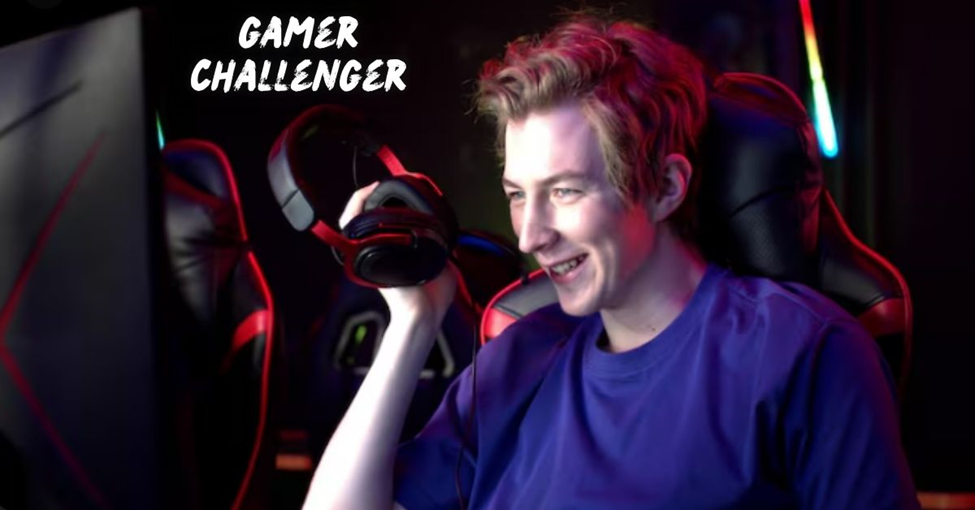
Gamer Challenger represents a growing trend in the world of competitive gaming, where players aim to improve their skills, rank higher, and participate in challenging tournaments. Whether in esports or casual online gaming, this concept focuses on skill enhancement, strategic gameplay, and mental resilience. It combines practice, analytics, and community engagement to help gamers reach their full potential and compete at the highest levels.
Will You Check This Article: Nahttypen: Comprehensive Guide to Sewing Seam Types
The Rise of Competitive Gaming
Competitive gaming, or esports, has grown exponentially over the past decade. Platforms like Twitch, YouTube Gaming, and various esports leagues have transformed gaming from a hobby into a professional career. Gamer Challenger fits into this ecosystem by providing tools, strategies, and challenges that help players improve their rank, understand game mechanics better, and prepare for competitive environments.
Core Principles of the Gamer Challenger Approach
The Gamer Challenger approach emphasizes three main principles: skill development, strategic thinking, and adaptability. Players focus on mastering game mechanics, understanding opponents’ strategies, and adapting to evolving in-game situations. These principles ensure that gamers are not just relying on reflexes but also on analytical and tactical skills that define high-level gameplay.
Skill Development and Training
Improving skills is at the heart of the Gamer Challenger concept. Players engage in regular practice sessions focusing on key aspects such as aiming, movement, timing, and in-game decision-making. The approach breaks down complex skills into manageable components, allowing gamers to refine each element systematically. Consistent practice, combined with feedback, accelerates growth and performance.
Strategic Gameplay and Decision-Making
High-level gaming requires strategic thinking. Gamer Challenger emphasizes analyzing maps, studying opponents’ behaviors, and predicting potential outcomes. Players learn to make decisions quickly under pressure, balancing risk and reward. Strategic gameplay includes understanding game meta, resource management, and coordinated teamwork to achieve optimal results.
Mental Resilience and Focus
Gaming at a competitive level demands mental toughness. Gamer Challenger encourages players to develop focus, patience, and stress management techniques. Mental resilience helps gamers stay composed during high-pressure situations, recover from setbacks, and maintain peak performance. Visualization, meditation, and controlled practice routines are common tools to enhance mental stamina.
Performance Analytics and Feedback
Data-driven feedback is a crucial component of the Gamer Challenger system. Players analyze statistics, win/loss ratios, accuracy percentages, and other performance metrics. This analytical approach identifies strengths and weaknesses, guiding targeted practice sessions. Performance analytics allow gamers to track improvement, set realistic goals, and make informed adjustments to their strategies.
Team Coordination and Communication
In multiplayer competitive games, teamwork and communication are essential. Gamer Challenger emphasizes developing clear communication channels, role allocation, and synchronized strategies. Effective coordination ensures that team members work together efficiently, adapt to opponents’ tactics, and execute complex plays under time pressure.
Adapting to Game Updates and Meta Changes
Games evolve continuously through updates, patches, and balance changes. Successful gamers must adapt to these changes quickly to maintain competitive advantage. The Gamer Challenger approach trains players to stay informed about updates, experiment with new strategies, and adjust tactics based on the evolving meta. Flexibility and adaptability are key to sustained success.
Time Management and Practice Schedules
Structured practice schedules are vital for improvement. Gamer Challenger encourages players to manage time effectively, balancing gaming with rest, nutrition, and other responsibilities. Short, focused practice sessions with clear objectives often yield better results than long, unstructured gaming hours. Time management ensures consistent progress without burnout.
Utilizing Technology and Gaming Tools
Modern competitive gaming relies heavily on technology. Gamer Challenger incorporates tools such as aim trainers, replay analysis software, and performance tracking applications. These technologies help players hone skills, analyze gameplay patterns, and optimize in-game performance. Leveraging the right tools can provide a significant edge over competitors.
Participating in Tournaments and Challenges
Practical application of skills comes through participation in tournaments and challenges. Gamer Challenger motivates players to test their abilities in competitive settings, gain experience, and learn from both victories and defeats. Tournaments offer exposure, networking opportunities, and a benchmark to measure progress against other skilled gamers.
Community Engagement and Learning
The gaming community is a valuable resource for learning and growth. Gamer Challenger encourages engagement with online forums, streaming communities, and peer groups. Sharing experiences, discussing strategies, and observing top players help gamers expand their knowledge and refine techniques. A strong community network fosters support and motivation.
Healthy Lifestyle for Peak Performance
Physical health influences gaming performance. Gamer Challenger promotes proper nutrition, exercise, and sufficient sleep to enhance reaction time, focus, and endurance. A healthy lifestyle reduces fatigue, prevents repetitive strain injuries, and supports overall mental clarity, which is critical for sustained competitive play.
Tracking Progress and Setting Goals
Success in competitive gaming requires goal-oriented training. Gamer Challenger emphasizes setting measurable objectives, tracking progress, and celebrating milestones. Clear goals help maintain motivation, focus efforts on key improvement areas, and provide a structured path toward achieving higher ranks or tournament success.
Future Trends in Competitive Gaming
As esports grows globally, the Gamer Challenger approach continues to evolve. Emerging trends include AI-assisted training, virtual reality gaming, and advanced analytics. These innovations are expected to enhance training effectiveness, strategic understanding, and immersive practice environments. Gamers who adopt such trends will maintain a competitive edge in the evolving landscape.
Final Thoughts
Gamer Challenger is a comprehensive framework for aspiring competitive gamers. By focusing on skill development, strategy, mental resilience, and community engagement, it equips players to achieve high-level performance. Integrating technology, structured practice, and tournament experience ensures continuous growth. Whether for personal improvement or professional esports ambitions, the Gamer Challenger approach provides the tools and mindset needed for success.
FAQs
1. What is Gamer Challenger?
Gamer Challenger is a system designed to enhance competitive gaming skills, strategy, and performance.
2. Who can benefit from Gamer Challenger?
Players of all levels, from casual gamers to professional esports athletes, can benefit.
3. How does it improve gaming performance?
Through skill drills, strategic training, mental resilience, and performance analytics.
4. Are tournaments part of the Gamer Challenger approach?
Yes, participating in tournaments and challenges is a key component for practical experience.
5. Does Gamer Challenger include physical and mental training?
Absolutely. Physical health, mental focus, and stress management are integral to peak performance.