

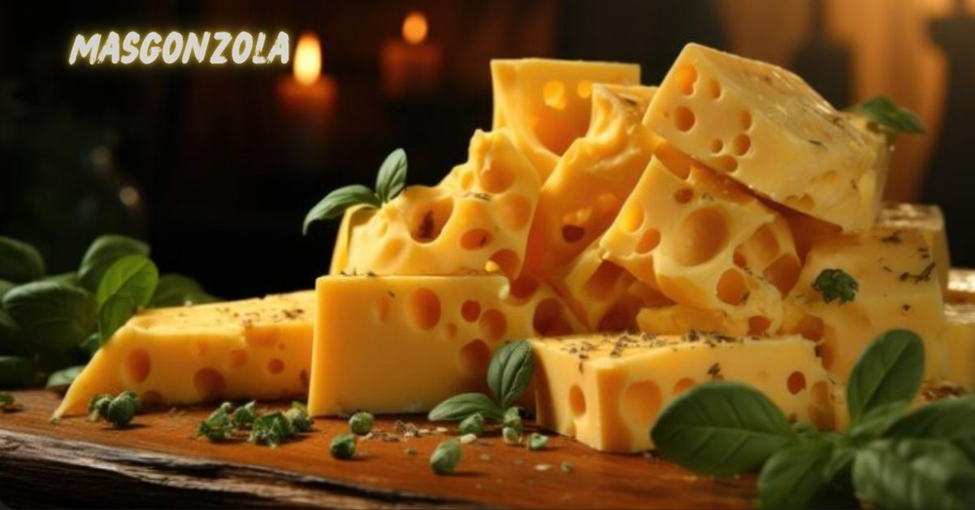
Masgonzola is a distinguished Italian cheese known for its creamy texture, rich flavor, and artisanal production methods. Originating from select regions of Italy, this cheese has gained popularity among connoisseurs and culinary enthusiasts alike. Its unique taste, versatility in dishes, and traditional craftsmanship make Masgonzola a standout in the world of gourmet cheeses.
Will You Check This Article: Internetchocks: Navigating the World of Digital Content
History and Origins
Masgonzola has a rich heritage rooted in Northern Italy, where cheese-making traditions date back centuries. Inspired by classic Italian blue cheeses, Masgonzola was developed by skilled artisans seeking a more refined flavor and creamier texture. Its production reflects a blend of historical methods and modern quality controls, preserving authenticity while meeting contemporary culinary standards.
Unique Production Process
The production of Masgonzola involves careful selection of high-quality cow’s milk, precise fermentation, and controlled aging. Artisans add natural cultures to the milk, which is then carefully curdled, drained, and salted. The cheese undergoes a maturation process that allows blue veins to develop, enhancing its signature flavor profile. This meticulous process ensures a balanced taste that is both tangy and creamy.
Flavor Profile and Texture
Masgonzola is characterized by its creamy, slightly crumbly texture and bold, complex flavor. The taste ranges from mildly sweet to tangy and slightly spicy, depending on the aging process. The blue veins contribute subtle earthy notes, while the smooth creaminess balances the intensity, making it ideal for both casual consumption and gourmet dishes.
Nutritional Value
Masgonzola is rich in essential nutrients, including protein, calcium, and vitamins A and B12. While high in fat due to its creamy nature, it provides a significant source of energy and important minerals. Moderation is key, but its nutritional profile makes it a valuable addition to balanced diets, particularly when used to enhance flavor in small portions.
Culinary Uses of Masgonzola
Masgonzola’s versatility makes it suitable for a wide range of culinary applications. It can be enjoyed on its own, paired with bread or crackers, or incorporated into sauces, salads, and pasta dishes. Its strong flavor complements fruits like pears and figs, nuts, and even wine, creating a sophisticated combination of tastes in appetizers and main courses alike.
Pairing Masgonzola with Beverages
The bold flavors of Masgonzola pair exceptionally well with certain beverages. Sweet wines such as Sauternes or Port balance its tanginess, while robust reds like Barolo enhance its depth. Beer enthusiasts may enjoy pairing it with strong ales or stouts, as the creamy texture complements the malt flavors, offering a refined tasting experience.
Masgonzola in Gourmet Cooking
Chefs and home cooks alike use Masgonzola to elevate dishes. It can be melted into risottos, blended into creamy pasta sauces, or used as a topping for gourmet pizzas. Its distinct flavor allows it to shine in savory dishes, while small amounts can even be used to enhance desserts, creating a subtle balance of sweetness and umami.
Storage and Preservation Tips
To maintain its flavor and texture, Masgonzola should be stored properly. Keep it in a cool, humid environment, ideally in cheese paper or waxed parchment, and avoid plastic wrap to allow the cheese to breathe. Consume within recommended periods and ensure proper sealing after each use to prevent drying out or absorbing other food odors.
Buying Tips for Masgonzola
When purchasing Masgonzola, look for cheeses with visible blue veining, a firm yet creamy texture, and a fresh aroma. Opt for artisanal or locally sourced varieties when possible, as they often reflect superior craftsmanship. Pay attention to the aging period, as younger cheeses are milder, while aged versions offer stronger, more complex flavors.
Health Considerations
While Masgonzola is delicious, it should be consumed in moderation due to its high fat and sodium content. Individuals with lactose intolerance may tolerate small amounts due to the fermentation process, but caution is advised. For those monitoring dietary intake, pairing small servings with fresh vegetables or fruits can create a healthier balance.
Global Popularity of Masgonzola
Masgonzola has gained international recognition, appearing in gourmet restaurants and specialty stores worldwide. Its combination of flavor, texture, and authenticity appeals to chefs and food enthusiasts who appreciate high-quality ingredients. As global interest in Italian cuisine grows, Masgonzola continues to establish itself as a premium cheese choice.
Cultural Significance
Beyond its culinary uses, Masgonzola represents Italian tradition and artisanal skill. Each wheel reflects centuries of cheese-making expertise and regional heritage. Enjoying Masgonzola is not just a culinary experience—it is a connection to the culture, history, and craftsmanship that define Italian gastronomy.
Innovations and Modern Uses
Contemporary chefs experiment with Masgonzola in innovative ways, incorporating it into fusion cuisine, gourmet snacks, and creative desserts. Its adaptability encourages culinary experimentation while maintaining its authentic taste. Modern gastronomy continues to explore new pairings and techniques that highlight the cheese’s versatility.
Sustainable and Ethical Production
Many Masgonzola producers focus on sustainable farming practices, ethical treatment of cows, and environmentally friendly production methods. Choosing Masgonzola from responsible sources ensures quality while supporting ethical and sustainable food practices, reflecting growing consumer awareness and demand for responsibly produced gourmet products.
Final Thoughts
Masgonzola is more than just a cheese—it is an experience of flavor, tradition, and culinary artistry. Its creamy texture, complex taste, and versatile uses make it a favorite among chefs, food enthusiasts, and casual consumers alike. By understanding its origins, production, and applications, lovers of gourmet food can fully appreciate the unique qualities that make Masgonzola a standout in the world of premium cheeses.
FAQs
1. What makes Masgonzola unique compared to other blue cheeses?
Its combination of creamy texture, balanced tanginess, and artisanal craftsmanship sets it apart.
2. How should I store Masgonzola at home?
Store it in cheese paper or waxed parchment in a cool, humid environment, avoiding plastic wrap.
3. Can Masgonzola be used in cooking?
Yes, it is ideal for pasta, risottos, pizzas, sauces, and even some dessert recipes.
4. What beverages pair well with Masgonzola?
Sweet wines like Port, robust reds like Barolo, and strong ales complement its flavor.
5. Is Masgonzola suitable for people with lactose intolerance?
Some may tolerate small amounts due to fermentation, but moderation and caution are advised.