

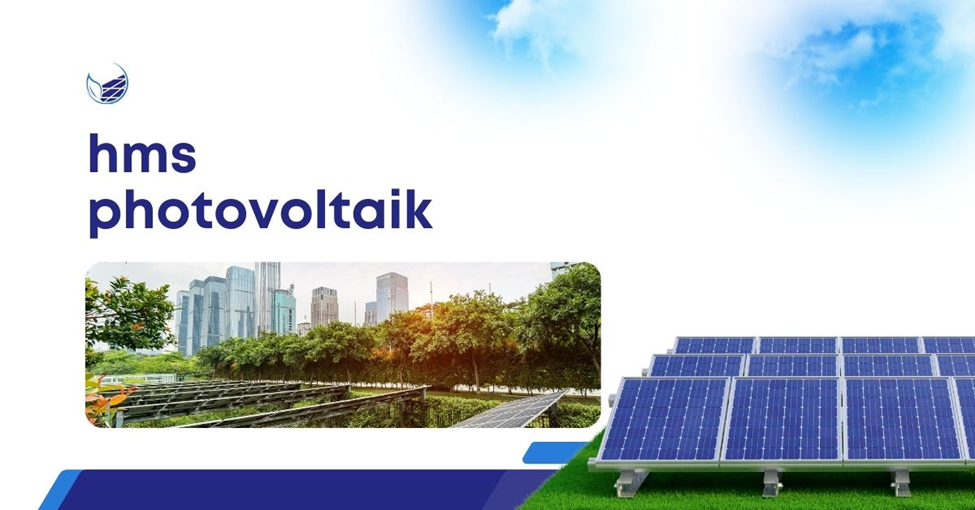
HMS Photovoltaik has become an increasingly important term in the solar energy world, referring to a specific class of photovoltaic systems that integrate modern monitoring, optimization, and module-level power management technologies. As solar energy continues to grow rapidly across Europe and other regions, the need for smarter, safer, and more efficient PV systems has expanded dramatically. HMS Photovoltaik represents a technological shift away from traditional solar setups and toward systems that deliver improved performance, higher energy yield, enhanced safety, and seamless digital control. This form of PV technology is especially favored in residential installations, commercial rooftops, and areas where shading, irregular layouts, or strict safety codes demand precise module-by-module control. Understanding HMS Photovoltaik is essential for anyone planning to invest in solar, as it directly influences energy output, long-term reliability, and overall cost efficiency.
Will You Check This Article: Crypto30x.com: Understanding Its Claims, Risks, and Reality
What HMS Photovoltaik Actually Means
HMS Photovoltaik refers to solar systems that use module-level power electronics (MLPE), usually in the form of microinverters or module optimizers, combined with advanced monitoring hardware labeled as “HMS.” The term is often associated with brands that produce These HMS devices act as communication units that relay real-time performance data from each solar panel to the system’s monitoring platform. This allows homeowners, installers, and energy managers to track the production of every module individually. Instead of seeing only the total production of the entire array, HMS Photovoltaik enables much deeper insight into system behavior. This makes maintenance easier, increases operational transparency, and ensures that small issues—like a single dirty or shaded panel—do not affect the performance of the entire array.
Why HMS Photovoltaik Systems Are Increasing in Demand
The demand for HMS Photovoltaik systems has grown quickly due to rising expectations of solar reliability and energy independence. Homeowners no longer want simple power generation; they want intelligent systems that maximize return on investment. With electricity prices fluctuating and energy requirements increasing, optimizing every watt is essential. HMS Photovoltaik provides precisely that by enabling more efficient distribution of energy across panels. The ability to monitor and adjust performance at the module level ensures higher overall yields, especially in environments where shading, debris, or irregular sunlight patterns affect some panels more than others. Energy-conscious consumers also appreciate the transparency offered by HMS systems, allowing them to understand their solar production in detail.
How HMS Photovoltaik Improves Power Generation
HMS Photovoltaik improves power generation by eliminating the “weakest link” problem often found in traditional string inverter systems. In older setups, the performance of the entire string depends on the output of the weakest module. If one panel is shaded, dirty, or malfunctioning, it drags down the performance of all connected modules. HMS devices solve this by managing each panel independently. As a result, the system continues to perform at its highest possible efficiency even if individual panels experience temporary or long-term issues. This enhancement can boost total energy production by 10–25% over the lifespan of a solar system, making HMS Photovoltaik not only a smart choice technologically but also a financially beneficial upgrade.
Safety Features Integrated in HMS Photovoltaik
Safety is a core advantage of HMS Photovoltaik systems. Many HMS-enabled solar products incorporate module-level rapid shutdown capabilities, which are increasingly required by European and U.S. fire safety regulations. Rapid shutdown ensures that voltage levels drop to safe limits when necessary—such as during emergencies, maintenance, or grid failures. Traditional systems maintain high voltage across rooftop strings, creating hazards for technicians and first responders. HMS Photovoltaik eliminates this risk by enabling each module to reduce its output immediately. This enhances both safety and regulatory compliance, especially in regions with strict electrical standards.
Monitoring Advantages of HMS Photovoltaik
A major reason homeowners and professionals choose HMS Photovoltaik is the comprehensive monitoring functionality it provides. Rather than seeing the system as a whole, HMS devices allow users to examine the performance of each panel individually. This monitoring helps identify issues such as shading, microcracks, dirt accumulation, or electrical failures early. Data is typically available through mobile apps or web dashboards, enabling real-time tracking and long-term performance analysis. The transparency created by this monitoring approach ensures users can maintain peak system efficiency and quickly detect underperforming modules before energy loss becomes significant.
Installation Flexibility Offered by HMS Photovoltaik
Traditional solar systems require panels to be installed in uniform orientation and similar sunlight conditions because all modules in a string must behave similarly. HMS Photovoltaik removes this limitation. By optimizing each module independently, installers can place panels across multiple roof sections, orientations, or tilt angles without affecting performance. This is particularly beneficial for homes with complex roofs, chimneys, skylights, or partial shading. Installers appreciate the design flexibility because it allows them to maximize usable roof area. Homeowners benefit from increased production and more aesthetically pleasing panel arrangements.
HMS Photovoltaik and the Role of Microinverters
Microinverters are a core component of many HMS Photovoltaik systems. Unlike string inverters, which manage power from many panels at once, microinverters attach behind each individual solar module and convert DC power to AC at the module level. This improves system efficiency, extends lifespan, and increases energy yield. Microinverters also reduce the risk of complete system failure, since a malfunction only affects one module instead of the whole array. Their integration with HMS technology enables even deeper monitoring, giving users a high-resolution view of their energy production and system health.
HMS Photovoltaik and Module Optimizers
In some HMS Photovoltaik setups, instead of microinverters, installers use module optimizers. These devices work between each solar panel and a central inverter, adjusting the output of each module to ensure optimal performance. Module optimizers offer many benefits similar to microinverters, including panel-level monitoring and increased efficiency. They are particularly useful in installations where cost efficiency is a priority, as they combine some advantages of MLPE technologies with the affordability of a centralized inverter system. When paired with HMS monitoring units, they create a powerful and intelligent solar management system.
Energy Yield Benefits of HMS Photovoltaik
A well-designed HMS Photovoltaik system often delivers significantly higher annual energy yield than traditional solar setups. Because each module operates at peak efficiency independently, the system extracts the maximum possible energy regardless of shading or uneven sunlight distribution. This advantage accumulates over the lifespan of the system, providing substantial financial savings. In long-term projections, homeowners can recover their investment more quickly, making HMS Photovoltaik not just a technological upgrade but also a strategic economic decision.
Maintenance Benefits and Long-Term Reliability
Maintenance becomes easier and more effective with HMS Photovoltaik because the technology enables precise diagnostics. Instead of inspecting the entire system or guessing which components may be failing, technicians can use the monitoring data to pinpoint malfunctioning modules. This reduces labor time and repair costs, increases uptime, and extends the lifespan of the solar array. Long-term reliability is one of the most important factors in solar investment, and HMS Photovoltaik significantly improves that reliability by offering both reactive and predictive maintenance capabilities.
Environmental Impact of HMS Photovoltaik
HMS Photovoltaik contributes positively to the environment by improving the efficiency of solar energy systems. Higher efficiency means more renewable electricity is generated from the same number of panels, reducing reliance on fossil fuels and lowering carbon emissions. The system’s optimized energy output also reduces the ecological footprint over the entire lifespan of the solar installation. As governments push for increased renewable adoption and smarter grid integration, HMS Photovoltaik supports these sustainability goals through technological advancement.
Suitability of HMS Photovoltaik for Different Users
HMS Photovoltaik is suitable for a wide range of users, including homeowners, small businesses, commercial property owners, and installers seeking high performance and reliability. It is particularly beneficial for buildings with complex roof geometries or partial shading. Industrial users and large-scale energy managers also appreciate the system’s advanced analytics, which help with decision-making and long-term planning. Even beginners entering the world of solar energy find HMS Photovoltaik appealing because of its transparency, user-friendly interfaces, and long-term financial benefits.
Common Misconceptions About HMS Photovoltaik
A common misconception is that HMS Photovoltaik is only needed for complicated or shaded installations. In reality, all solar systems benefit from the increased efficiency, safety, and monitoring precision provided by module-level optimization. Another misconception is that HMS systems are too expensive. While initial costs are higher than basic string setups, the long-term gains—through increased yield, lower maintenance costs, and enhanced safety—often outweigh the investment. Understanding these misconceptions helps users make informed decisions.
Future of HMS Photovoltaik Technology
The future of HMS Photovoltaik is extremely promising as smart energy systems evolve. With trends such as AI-driven energy optimization, smart homes, battery integration, and decentralized energy trading, module-level intelligence will play a crucial role. As standards become more advanced and safety regulations stricter, HMS Photovoltaik is likely to become the default choice in new solar installations. Its ability to integrate with inverters, smart meters, energy storage, and grid-management systems ensures that it will remain a key component of solar technology in the coming decades.
Conclusion
HMS Photovoltaik offers a powerful combination of efficiency, safety, monitoring capability, and long-term reliability. It represents a new standard in solar energy technology by managing each module intelligently rather than relying on outdated string-level systems. Whether installed in residential homes or commercial buildings, HMS Photovoltaik ensures maximum energy yield and seamless system management. As global demand for solar rises and technology continues to advance, HMS Photovoltaik stands out as a future-proof solution for anyone seeking smarter, safer, and more efficient renewable energy systems.