

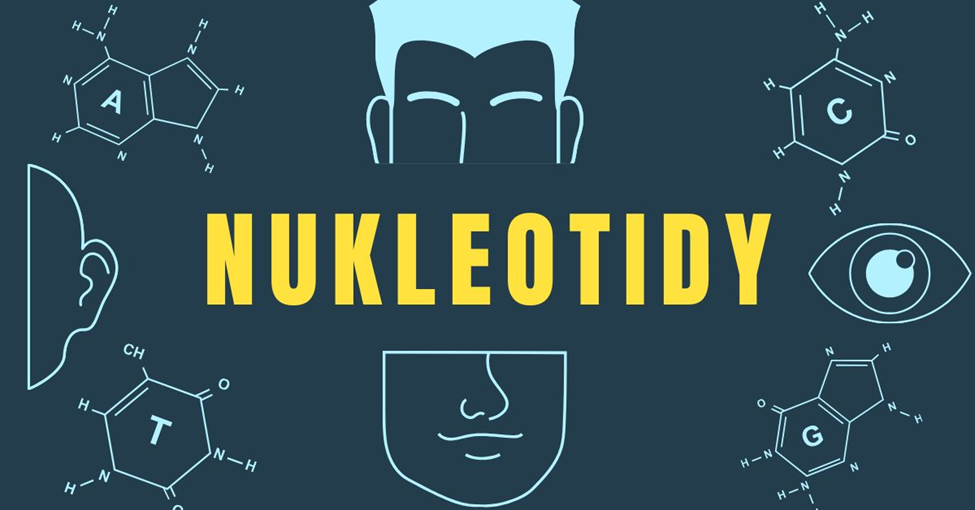
Nukleotidy are tiny molecular powerhouses that form the foundation of life. They are the essential units that make up DNA and RNA, enabling the storage, transfer, and expression of genetic information. Imagine nukleotidy as the letters of life’s alphabet—without them, the story of life could not be written. These molecules also play key roles in energy transfer and signaling within cells, making them indispensable for survival.
Will You Check This Article: Erothto: Meaning, Origins, and Modern Usage Explained
Definition of Nukleotidy
Nukleotidy are organic molecules consisting of three main components: a nitrogenous base, a five-carbon sugar, and one or more phosphate groups. Together, these parts form the building blocks of nucleic acids. Each nukleotid not only contributes to genetic coding but also participates in vital cellular processes like energy production, communication, and metabolism.
History and Discovery of Nukleotidy
The journey to understanding nukleotidy began in the 19th century when scientists first isolated nucleic acids. Friedrich Miescher discovered “nuclein” in 1869, laying the groundwork for later research. In the early 20th century, biochemists identified the individual components of nukleotidy and recognized their critical roles in DNA, RNA, and cellular metabolism. This discovery revolutionized biology and set the stage for modern genetics.
Basic Structure of Nukleotidy
Each nukleotid has three fundamental components. First is the nitrogenous base, which can be a purine (adenine or guanine) or a pyrimidine (cytosine, thymine, or uracil). Second is a five-carbon sugar—deoxyribose in DNA and ribose in RNA. Finally, one or more phosphate groups are attached to the sugar, creating the molecule’s ability to link into long chains. Think of nukleotidy as specialized LEGO blocks, each designed to connect perfectly to form DNA and RNA strands.
Types of Nukleotidy
Nukleotidy are classified based on their nitrogenous bases. Purines include adenine (A) and guanine (G), while pyrimidines include cytosine (C), thymine (T), and uracil (U). Adenine pairs with thymine in DNA, or uracil in RNA, while guanine pairs with cytosine. These pairing rules ensure that genetic information is copied accurately during replication. Some nukleotidy, like ATP and GTP, also act as energy carriers, highlighting their versatile functions.
Purine and Pyrimidine Bases in Nukleotidy
The nitrogenous bases in nukleotidy are critical for genetic coding. Purines (adenine and guanine) are larger, double-ringed structures, whereas pyrimidines (cytosine, thymine, uracil) are single-ringed. This complementary design allows DNA to form its famous double-helix structure. The specific pairing of purines with pyrimidines ensures stability and accurate transmission of genetic information.
Role of Nukleotidy in DNA
Nukleotidy are the building blocks of DNA. Each strand of DNA is a sequence of nukleotidy linked together by phosphate-sugar bonds. The sequence of their nitrogenous bases encodes genetic instructions for the synthesis of proteins, which control virtually every function in a living organism. Without nukleotidy, the DNA double helix would not exist, and life would not have a blueprint to follow.
Role of Nukleotidy in RNA
In RNA, nukleotidy also form long chains, but with ribose sugar instead of deoxyribose. RNA plays multiple roles in cells, including acting as a messenger (mRNA), building proteins (tRNA), and forming part of the ribosome (rRNA). The presence of uracil instead of thymine distinguishes RNA from DNA, but the principle of using nukleotidy as coding units remains the same.
Energy Storage and Transfer (ATP and GTP)
Some nukleotidy, like ATP (adenosine triphosphate) and GTP (guanosine triphosphate), act as cellular energy carriers. ATP, often called the “energy currency of the cell,” stores and provides energy for countless biochemical reactions. When a phosphate group is removed from ATP, energy is released, powering everything from muscle contraction to active transport of molecules across cell membranes.
Nukleotidy in Cell Signaling
Nukleotidy are also essential in cell signaling. Molecules like cAMP (cyclic adenosine monophosphate) and cGMP act as secondary messengers, transmitting signals from receptors on the cell surface to target molecules inside the cell. This signaling regulates processes such as hormone response, metabolism, and cell growth, showing that nukleotidy are much more than just genetic building blocks.
Importance in Metabolism
Beyond genetics and energy, nukleotidy play vital roles in metabolism. They act as cofactors for enzymes, participate in redox reactions, and help synthesize other essential molecules like coenzyme A and NAD+. Without nukleotidy, metabolic pathways would collapse, disrupting the delicate balance necessary for life.
Nukleotidy Synthesis: De Novo Pathway
Cells can produce nukleotidy from scratch using the de novo pathway. This complex process builds nitrogenous bases step by step from simpler molecules like amino acids, carbon dioxide, and ribose-5-phosphate. De novo synthesis ensures that cells have a steady supply of nukleotidy even when dietary intake is insufficient.
Nukleotidy Synthesis: Salvage Pathway
In addition to de novo synthesis, cells recycle nukleotidy using the salvage pathway. This pathway captures free bases and nucleosides released during DNA and RNA breakdown and converts them back into functional nukleotidy. Salvage pathways are energy-efficient and crucial for tissues with high nucleotide demand, such as the brain and bone marrow.
Disorders Related to Nukleotidy Metabolism
Errors in nukleotidy metabolism can lead to serious disorders. For example, Lesch-Nyhan syndrome results from defective purine salvage, causing neurological issues and kidney problems. Gout arises from excessive uric acid, a byproduct of purine breakdown. These examples highlight how critical balanced nukleotidy metabolism is for health.
Nukleotidy in Medicine and Biotechnology
Nukleotidy have revolutionized medicine and biotechnology. They are used in antiviral and anticancer drugs, such as nucleoside analogs that inhibit viral replication. In biotechnology, nukleotidy are essential for PCR, DNA sequencing, and gene editing techniques like CRISPR. Their versatility makes them indispensable in both research and clinical applications.
Future Research and Applications
The study of nukleotidy continues to expand. Scientists are exploring artificial nukleotidy for synthetic biology, new therapeutic nucleotides for disease treatment, and advanced nucleotide-based sensors for diagnostics. The future promises even more innovative applications, bridging genetics, medicine, and technology.
Conclusion
Nukleotidy are truly the building blocks of life. From forming DNA and RNA to driving energy transfer and signaling, these molecules are indispensable for every living cell. Understanding nukleotidy provides a window into the fundamental processes that sustain life and opens the door to groundbreaking medical and biotechnological advancements.
FAQs
1. What are nukleotidy?
Nukleotidy are organic molecules that form the building blocks of DNA and RNA, consisting of a nitrogenous base, a sugar, and phosphate groups.
2. How do nukleotidy store energy?
Nukleotidy like ATP store energy in high-energy phosphate bonds, which are released during cellular reactions.
3. What is the difference between DNA and RNA nukleotidy?
DNA nukleotidy contain deoxyribose sugar and thymine, while RNA nukleotidy contain ribose sugar and uracil.
4. Can nukleotidy be synthesized in the body?
Yes, nukleotidy are synthesized through de novo and salvage pathways to ensure a constant supply.
5. How are nukleotidy used in medicine?
They are used in antiviral drugs, cancer therapies, DNA sequencing, PCR, and gene editing technologies.